Ice Pick Scars Are the Hardest — Break the Base with TCA CROSS, Lift Edges with PN
Dr. Big says it straight: ice pick scars are the most stubborn — too narrow and deep for subcision. The effective approach is 2-layer — TCA CROSS to break the base + PN to stimulate fibroblasts. Acne scar clinic Ratchathewi, near BTS.
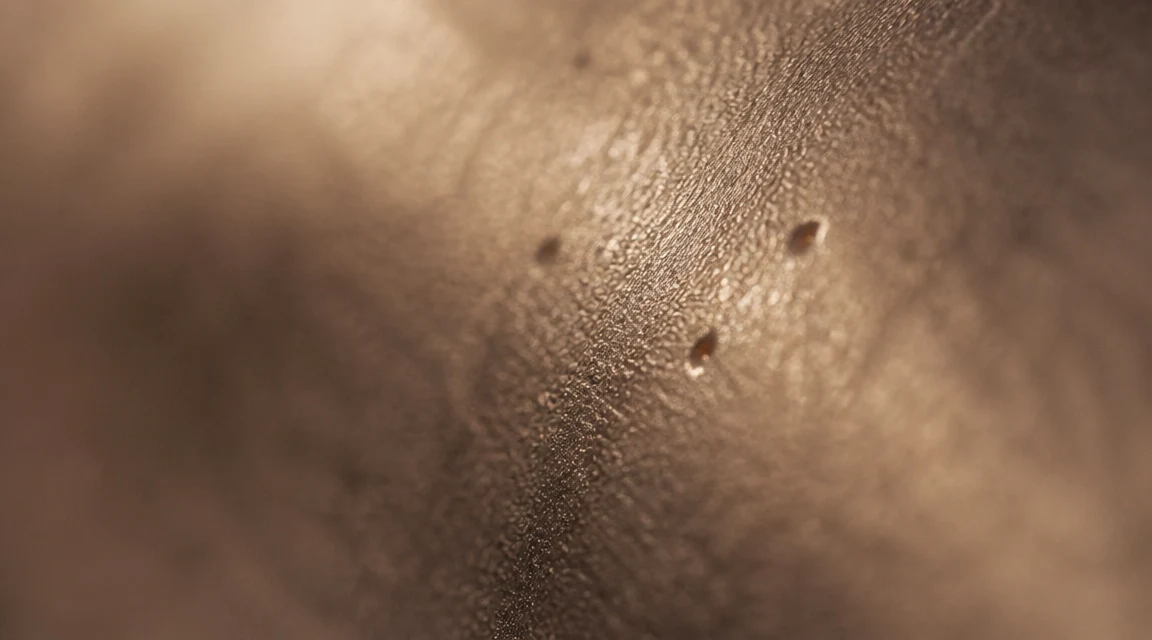
3D SKIN MODEL
TCA CROSS
Quick answer: Ice pick scars are too narrow and deep for subcision, so the effective approach works in 2 layers — TCA CROSS to break the scar base point by point, then PN to stimulate fibroblasts and lift the edges. They won’t become perfectly smooth, but can genuinely be shallowed by about 60–80% over several sessions, until others can’t tell at normal distance.
Of all acne scars, if you ask Dr. Big which is hardest, the answer is the ice pick scar — a narrow, deep scar like a needle puncture. Honestly from the start: this type never becomes 100% perfectly smooth, but it can genuinely be made shallow enough that you’d need a close mirror to see it.
This article explains why ice picks are stubborn and the 2-layer method Dr. Big uses.
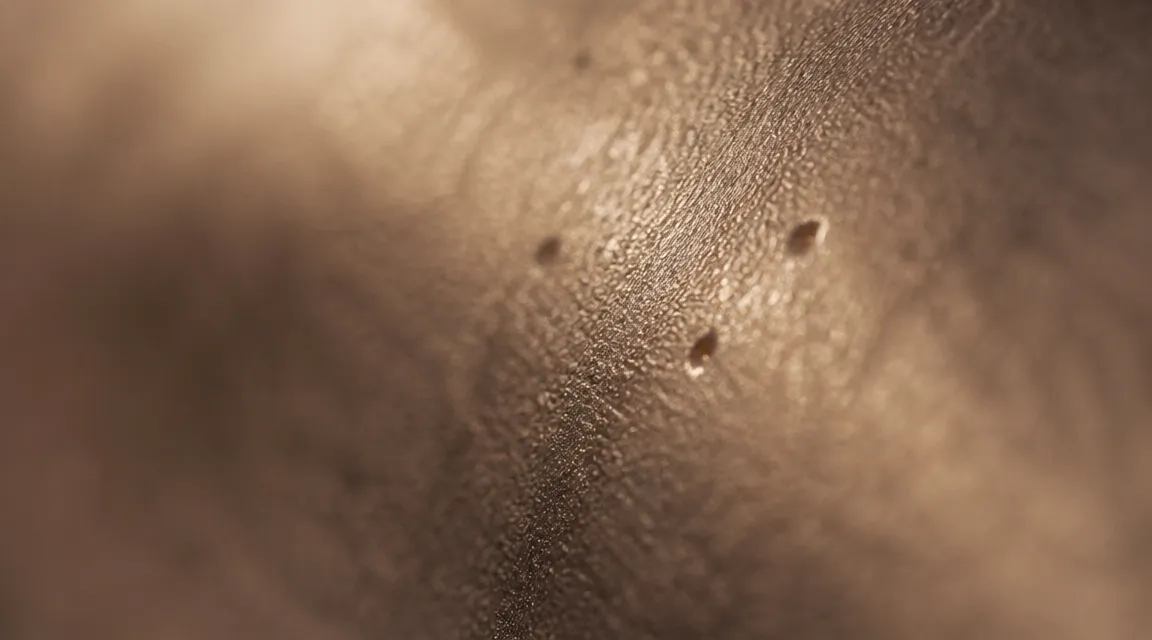
Why ice picks are more stubborn than other scars
Ice pick scars have a very narrow mouth but plunge deep into the skin, with near-vertical walls. That narrowness is the problem:
- A subcision needle can’t reach — subcision is designed to release the bands of wide rolling scars; ice picks are too narrow for the needle to work
- Full-face laser doesn’t reach the base — energy disperses at the surface while the deep narrow base barely gets stimulated
- Hard scar walls — firmly anchored scar tissue that must be remodeled point by point
Because it’s so hard to reach, ice picks need a point-specific method, not full-face firing.
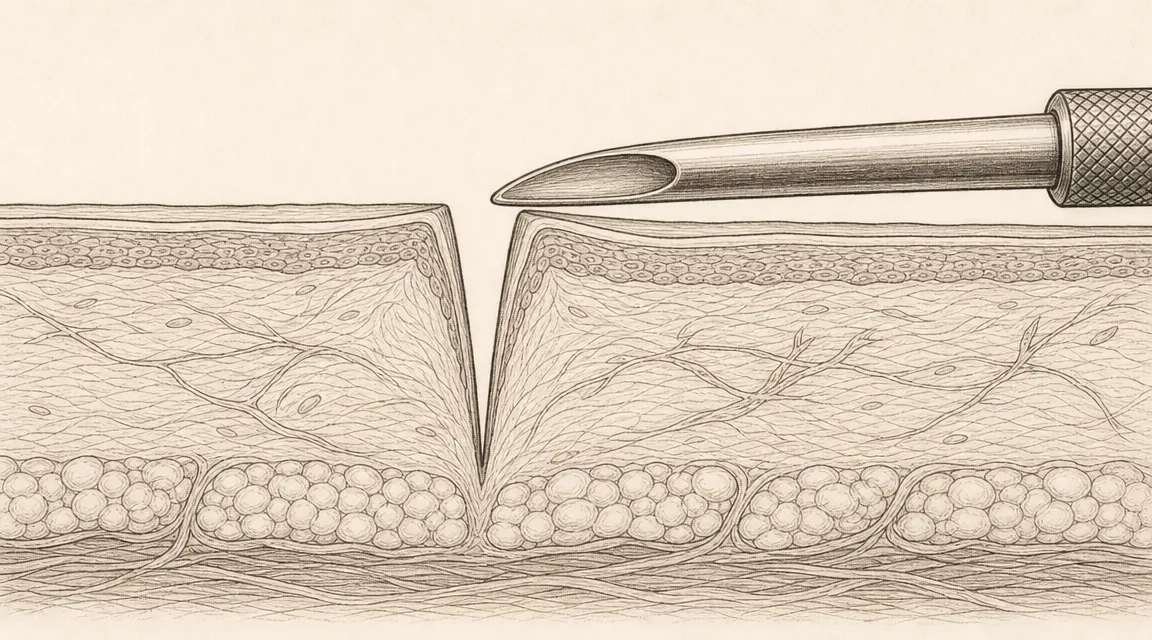
The effective approach: work in 2 layers
Dr. Big handles ice picks with “destroy the old, build the new to lift”:
- Layer 1 — TCA CROSS: break the scar base. Concentrated TCA is applied point by point only at the scar base — it dissolves the old wall and triggers new collagen to push the wall up. Precise work; you can’t misplace it.
- Layer 2 — PN: lift the edges by stimulating fibroblasts. PN (polynucleotide) stimulates fibroblasts — the collagen-building, skin-repairing cells — so the scar edges gradually lift and surrounding skin strengthens.
Ice picks aren’t fixed by firing harder, but by hitting the exact spot and letting skin build collagen to lift on its own.
PN is an optional add-on the doctor assesses per case, priced separately from the main treatment, always quoted before you decide — the main procedures stay at 5,000 baht/session.
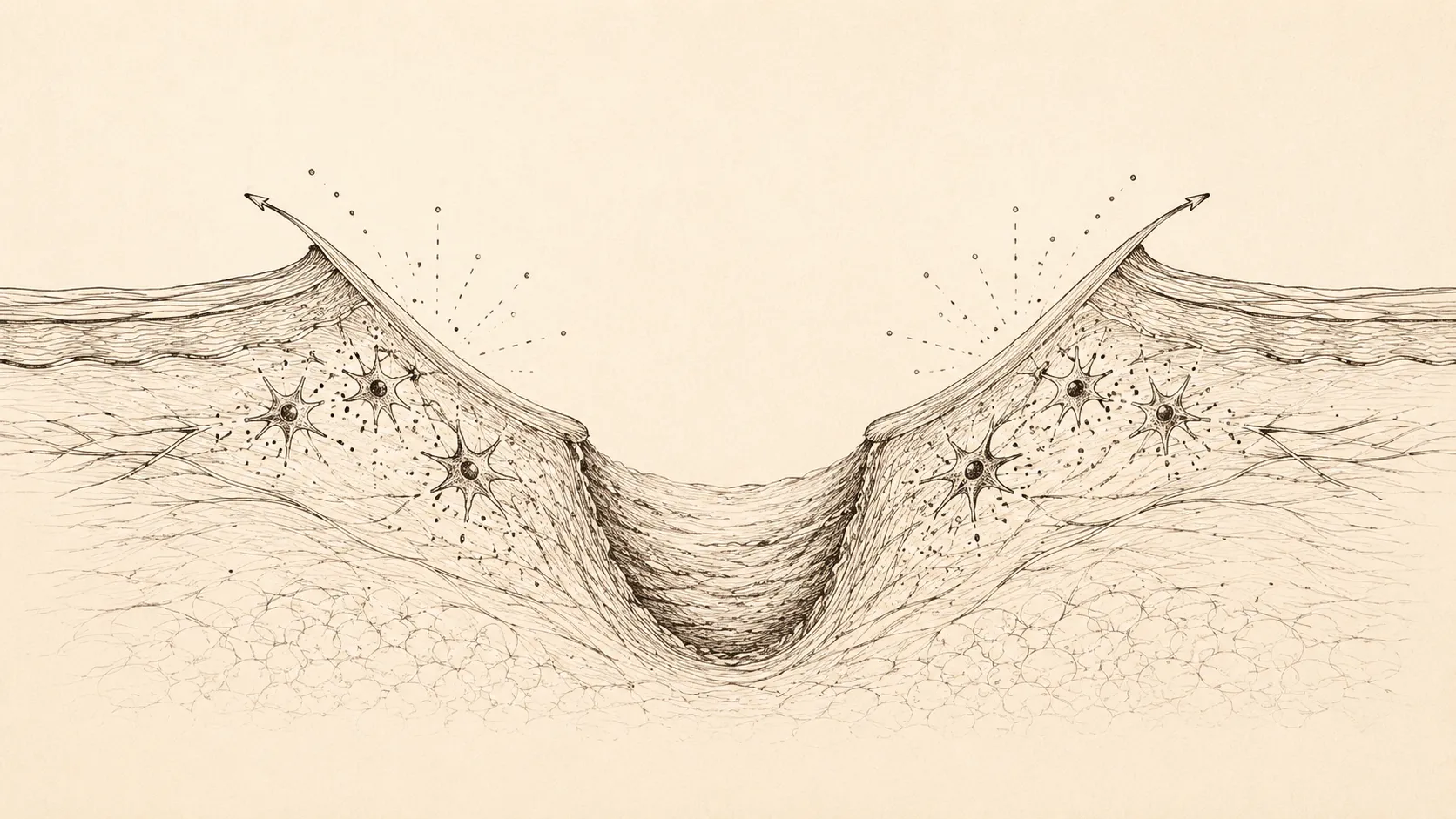
Honest expectations for ice picks
Dr. Big doesn’t want you to expect wrong — ice picks are the most stubborn and never become perfectly smooth as if you’d never had them. The realistic goal: the mouth narrows and shallows · light no longer casts a sharp shadow · you’d need a close mirror to see it; others can’t tell at normal distance. This is the 60–80% improvement Dr. Big always targets — not 100% (read How much can acne scars improve) — done over several sessions, spacing out so collagen fully matures before the next round.
Frequently asked questions
Q: What is TCA CROSS? A: Concentrated TCA applied point by point only at the scar base to dissolve the old wall and trigger new collagen to push the scar up — suited to narrow deep ice picks that subcision can’t reach.
Q: Why can’t subcision treat ice picks? A: Because ice picks are very narrow and deep, the subcision needle (designed for wide-scar bands) can’t work — ice picks need point-specific TCA CROSS instead.
Q: What is PN, and what does it do? A: PN (polynucleotide) stimulates fibroblasts to build collagen and repair skin, helping edges lift and surrounding skin strengthen — an optional add-on assessed per case.
Q: Can ice pick scars be fully cured? A: Not 100% — they’re the most stubborn — but genuinely shallowed until you need a close mirror to see them. The honest goal is 60–80% improvement, not perfectly smooth.
Q: Where can I get ice pick scars assessed? A: At Clarity Clinic Ratchathewi, near BTS, easy to reach from Siam, Phaya Thai, all of Bangkok — message LINE with a photo for Dr. Big to gauge depth and plan the sessions.
Summary
Ice picks are the most stubborn because they’re too narrow and deep for subcision. The effective method works in 2 layers — TCA CROSS breaks the base point by point, then PN stimulates fibroblasts to lift the edges. Honestly, never 100% smooth, but genuinely shallowed until others can’t tell — a 60–80% improvement with consistent treatment and time for collagen.
Contact:
- LINE: @clarityclinic — send a photo of your acne scars for Dr. Big to review
- Location: Spring Tower, B Floor · Ratchathewi, near BTS (Siam, Phaya Thai, all Bangkok)
- Free 30-minute consult with Dr. Big in person
- Price 5,000 baht/session including all main procedures · pay per session, no course packages
Read next:
- 3 acne scar types, different devices
- Rolling scars — Subcision + HA + PDLLA
- How much can acne scars improve
References
Outcomes vary by individual; this article is educational, not a substitute for in-person medical assessment.