How to Lift Rolling Scars — Subcision + HA + PDLLA Working in Layers
Dr. Big explains rolling scars come from tethering bands + lost volume. Laser alone is like painting over a dented wall — you must release bands with subcision, then restore volume with HA and PDLLA for long-term collagen. Acne scar clinic Ratchathewi, near BTS.
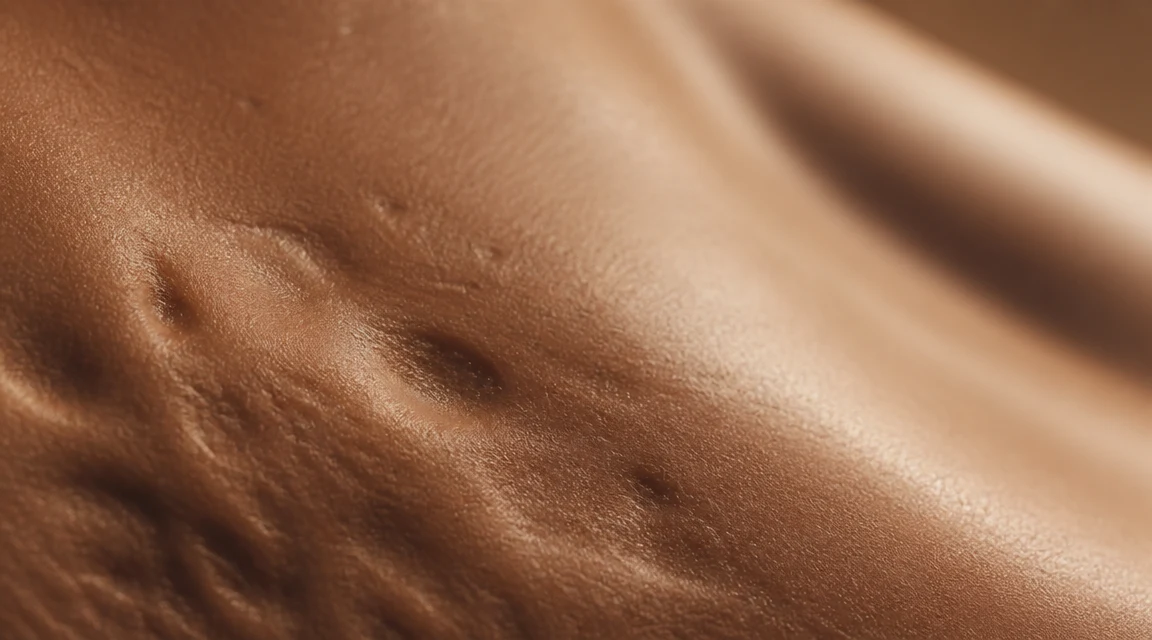
3D SKIN MODEL
Filler · Biostimulator · PN
Quick answer: Rolling scars come from tethering bands plus volume loss under the skin, so you lift them in layers — Subcision first to release the bands (the core procedure), then HA to restore volume immediately, and PDLLA to build long-term collagen. Laser alone treats only the surface, like painting over a dent. Not every scar needs injections; assessed per case, this layered approach improves rolling scars ~60–80%.
Rolling scars are wide, wave-edged depressions that many complain “stay wavy even after several lasers” — Dr. Big says it straight: the problem isn’t that the laser is bad, it’s that the laser treats the wrong layer.
This article explains why rolling scars must be treated in “layers” — release the bands first, restore volume after — and why the right order matters more than choosing an expensive machine.
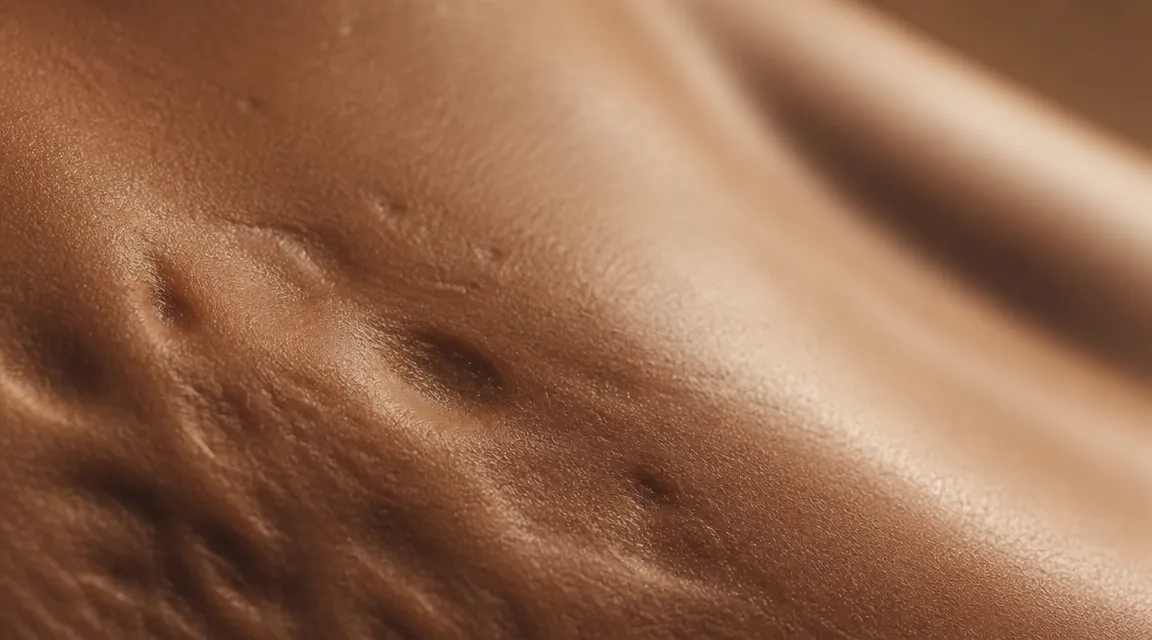
Rolling isn’t a surface problem — it’s “under the skin”
Rolling scars come from 2 overlapping problems:
- Tethering bands (fibrosis) — fibrous strands under the scar anchor the surface down to deeper layers, creating a depression
- Volume loss — tissue under the scar is gone, so the area sits lower than surrounding skin
Lasers work mainly at the “surface,” but rolling’s real problem is “under the skin” — like painting over a dented wall: the paint may look a bit smoother, but the dent stays, because you haven’t fixed the cause.
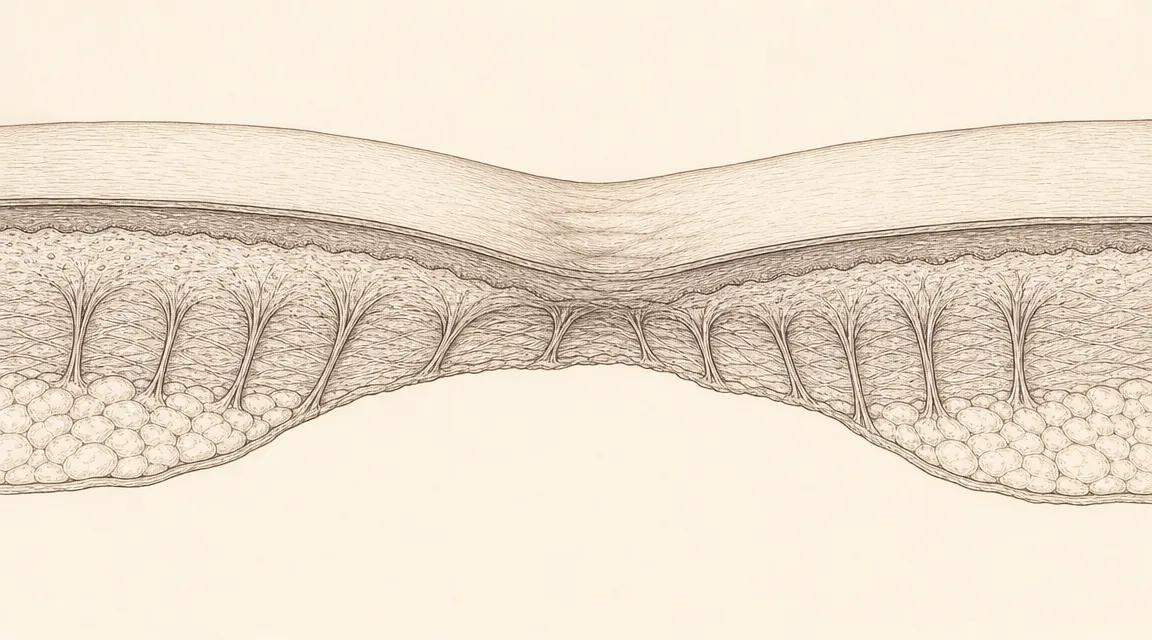
The right way: treat in 3 layers
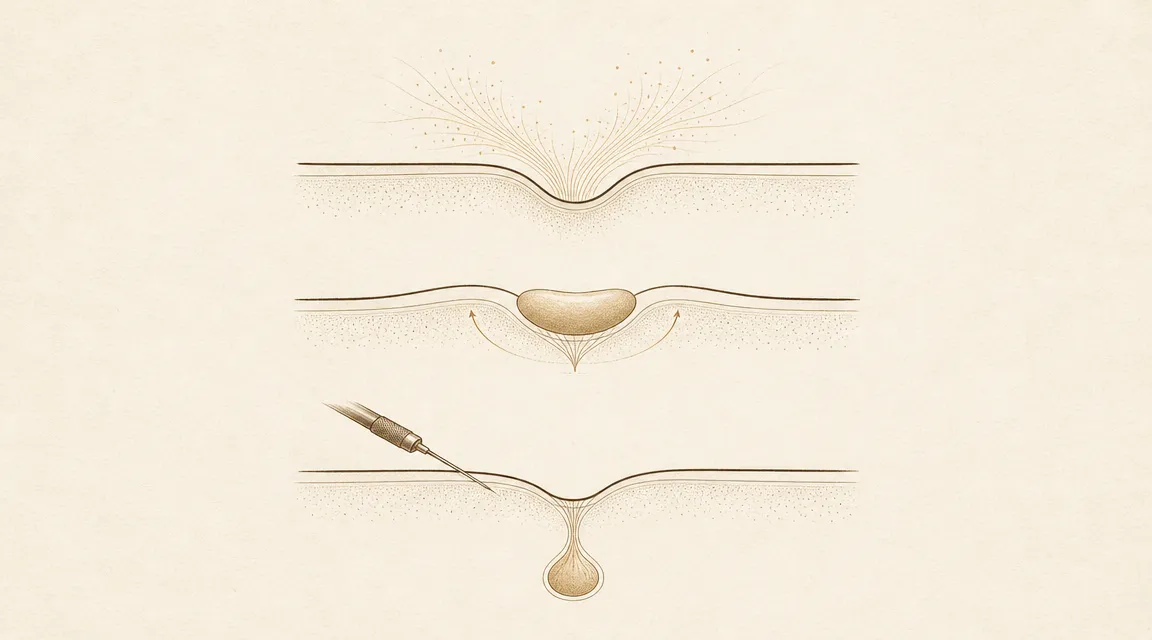
- Layer 1 — Subcision: release the bands first. A needle cuts the bands pulling the skin down; once unlocked, the skin can relax upward. This is indispensable and is the main procedure within the 5,000 baht/session.
- Layer 2 — HA: restore volume immediately. After release, the gap under the scar opens; HA (hyaluronic acid) supports the volume for fast results and helps prevent the bands re-anchoring.
- Layer 3 — PDLLA: build long-term collagen. PDLLA stimulates the body to build its own collagen gradually over 3–6 months, making the result more durable than temporary volume alone.
Releasing bands is unlocking, restoring volume is lifting, stimulating collagen is making it last — miss a layer and the result is incomplete.
Not every scar needs injections — assessed per case
To be clear: not everyone needs HA or PDLLA. Shallow rolling scars without much volume loss often do fine with subcision alone plus normal collagen stimulation.
HA / PDLLA injections are optional add-ons for cases with genuine volume loss, assessed from each person’s depth and face — priced separately from the main treatment, quoted after a real assessment. No bundled selling, no pushing what isn’t needed. In short — the main procedures (subcision + collagen care) are always 5,000 baht/session; volume boosters are offered only when truly needed, with the price given before you decide.
Frequently asked questions
Q: How do acne scar fillers differ from subcision? A: Subcision releases the tethering bands; HA/PDLLA restore volume and stimulate collagen. They work in different layers — deep rolling scars often need both for a full result.
Q: Will laser alone clear rolling scars? A: Usually not — laser works on the surface, but rolling has bands and volume loss beneath. Release and restore first; laser is a surface supplement, not the core.
Q: How long do HA and PDLLA last? A: HA gives immediate results but gradually dissolves; PDLLA stimulates your own collagen over 3–6 months for a more durable result. The doctor often combines them for both speed and longevity.
Q: What’s the price of HA/PDLLA? A: An optional add-on priced separately from the 5,000 baht main treatment — the doctor assesses if it’s needed and quotes before you decide. No pushing what isn’t necessary.
Q: Where can I get rolling scars assessed? A: At Clarity Clinic Ratchathewi, near BTS, easy to reach from Siam, Phaya Thai, all of Bangkok — message LINE with a photo to see whether you need volume restoration or subcision alone.
Summary
Rolling scars come from tethering bands + volume loss. Laser alone is like painting over a dent. The effective method is layered — subcision first (in the main price), HA for immediate volume, PDLLA for long-term collagen — and not every scar needs injections. The doctor assesses per case and quotes any booster before you decide, so you get a 60–80% improvement without overpaying.
Contact:
- LINE: @clarityclinic — send a photo of your acne scars for Dr. Big to review
- Location: Spring Tower, B Floor · Ratchathewi, near BTS (Siam, Phaya Thai, all Bangkok)
- Free 30-minute consult with Dr. Big in person
- Price 5,000 baht/session including all main procedures · pay per session, no course packages
Read next:
- What is Subcision — the heart of rolling scar treatment
- 3 acne scar types, different devices
- Why wait 4–8 weeks between sessions
References
Outcomes vary by individual; this article is educational, not a substitute for in-person medical assessment.
- Orentreich DS, Orentreich N. Subcutaneous incisionless (subcision) surgery for the correction of depressed scars and wrinkles. Dermatol Surg. 1995. PubMed
- Jacob CI, Dover JS, Kaminer MS. Acne scarring: a classification system and review of treatment options. J Am Acad Dermatol. 2001. PubMed
- Gozali MV, Zhou B. Effective treatments of atrophic acne scars. J Clin Aesthet Dermatol. 2015. PubMed