Deep Boxcar and Ice Pick Scars: Why I Went Back to Old School
Dr. Big explains why microneedle RF and pico laser have limits on deep boxcar and ice pick scars, and why this case combines subcision, Er:YAG, CO2 and TCA CROSS.
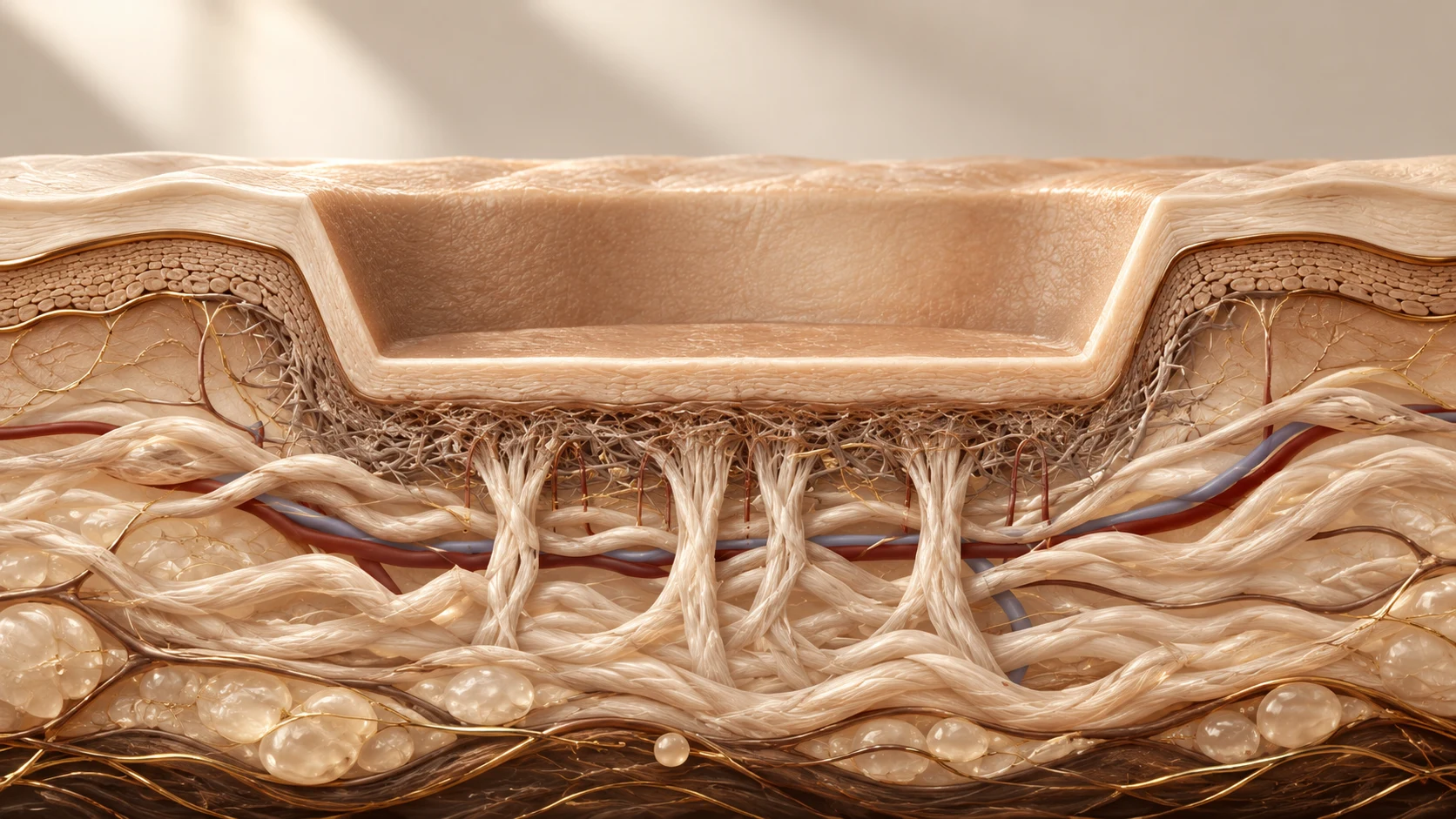
Quick answer: Microneedle RF and pico laser suit milder cases, but deep boxcar scars with clear edges and small ice pick scars usually improve slowly. In this case I used the old school approach, which is subcision, Er:YAG, fractional CO2 and TCA CROSS, to fix the structure of each scar at the right spot.
I used to think microneedle RF and pico laser were the answer for acne scars, because they are gentle methods and I felt comfortable with them. But I kept meeting certain scars that did not improve much however many times I treated them.
Why do microneedle RF and pico laser have limits?
The skin overall improves, but deep scars are still there and progress is slow, especially with deep boxcar scars with clear edges and small ice pick scars. The reason is that these scars have structural problems, namely steep edges and fibrous bands. Adding heat under the skin alone may not change the shape of the scar. You can read more in Pico laser for acne scars: why they remain after many sessions, and if you are not sure which type of scar you have, read how to tell acne scar types apart.
Why was I once reluctant to use CO2, TCA and subcision?
I have known CO2, TCA and subcision for a long time, but I was afraid of wounds and dark marks, and I once believed subcision did not help at all.
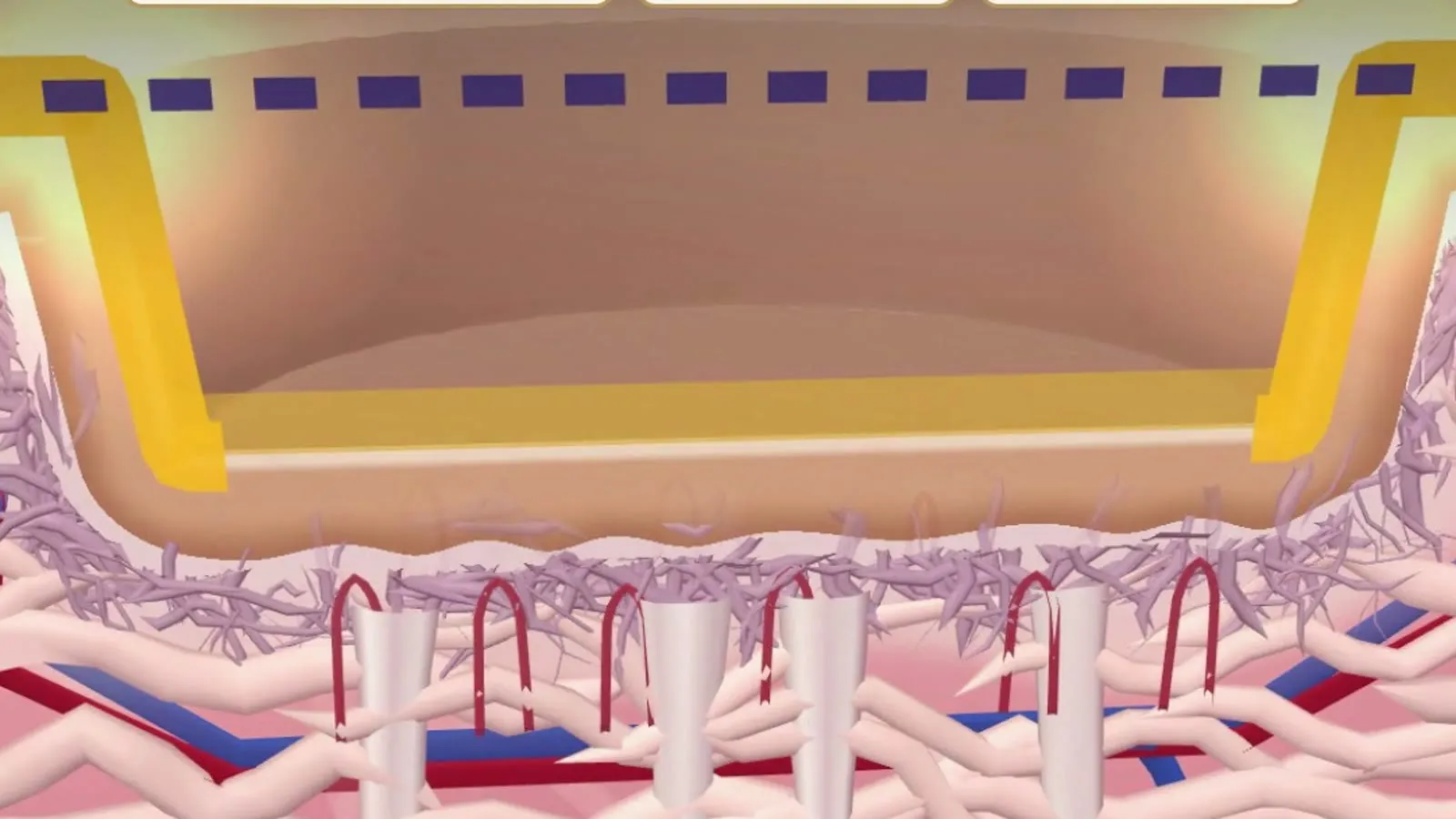
Then I studied cases from doctors abroad who cut the fibrous bands, adjusted the edges of the scars and resurfaced the skin all at the same time. What I took from it is that assessing the scar, cutting the bands and being precise when applying the acid matter more than the laser machine itself.
How was the old school approach used in this case?
This patient had never had acne scar treatment before, so I used the full technique. Each step does a different job.
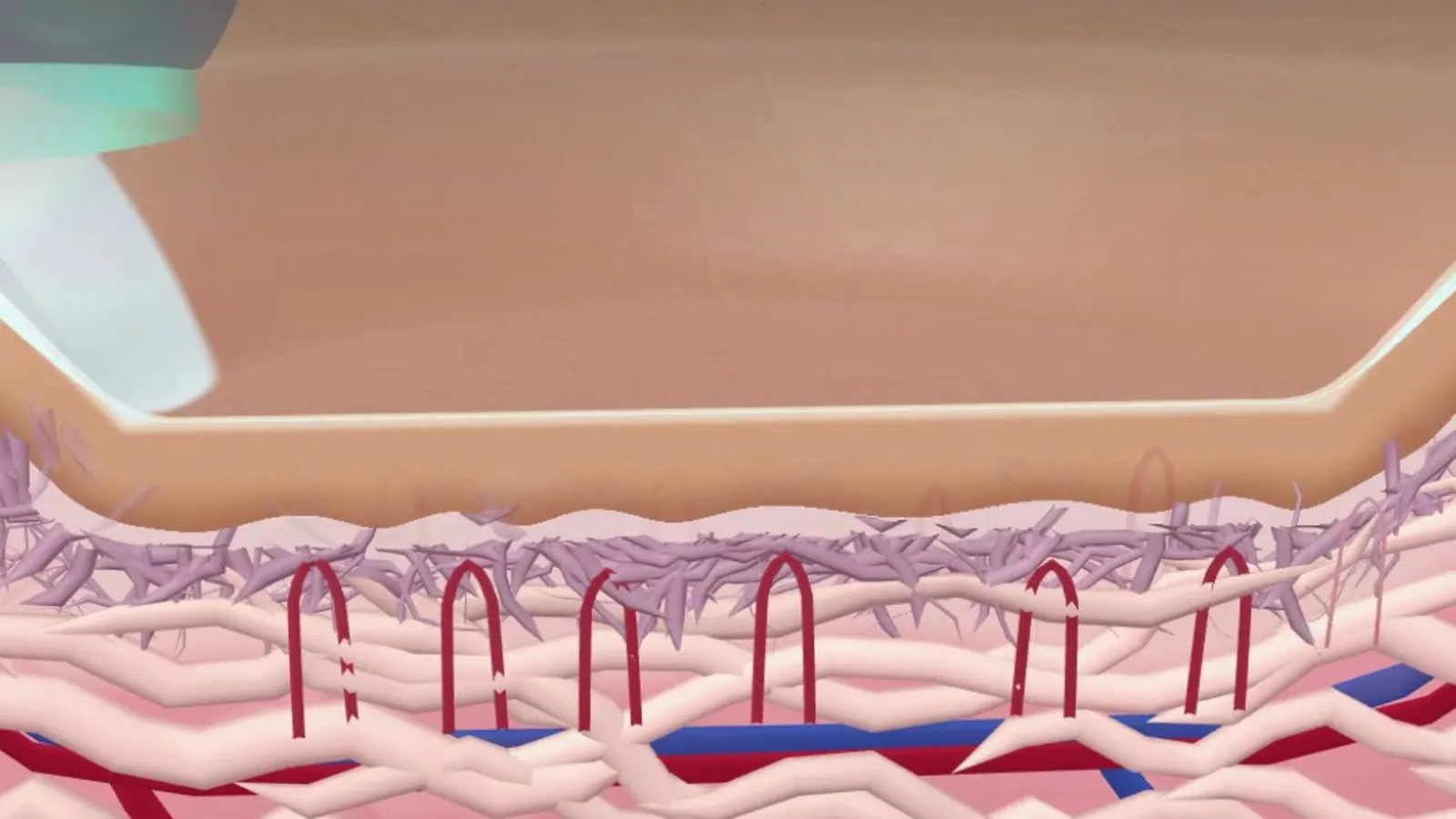
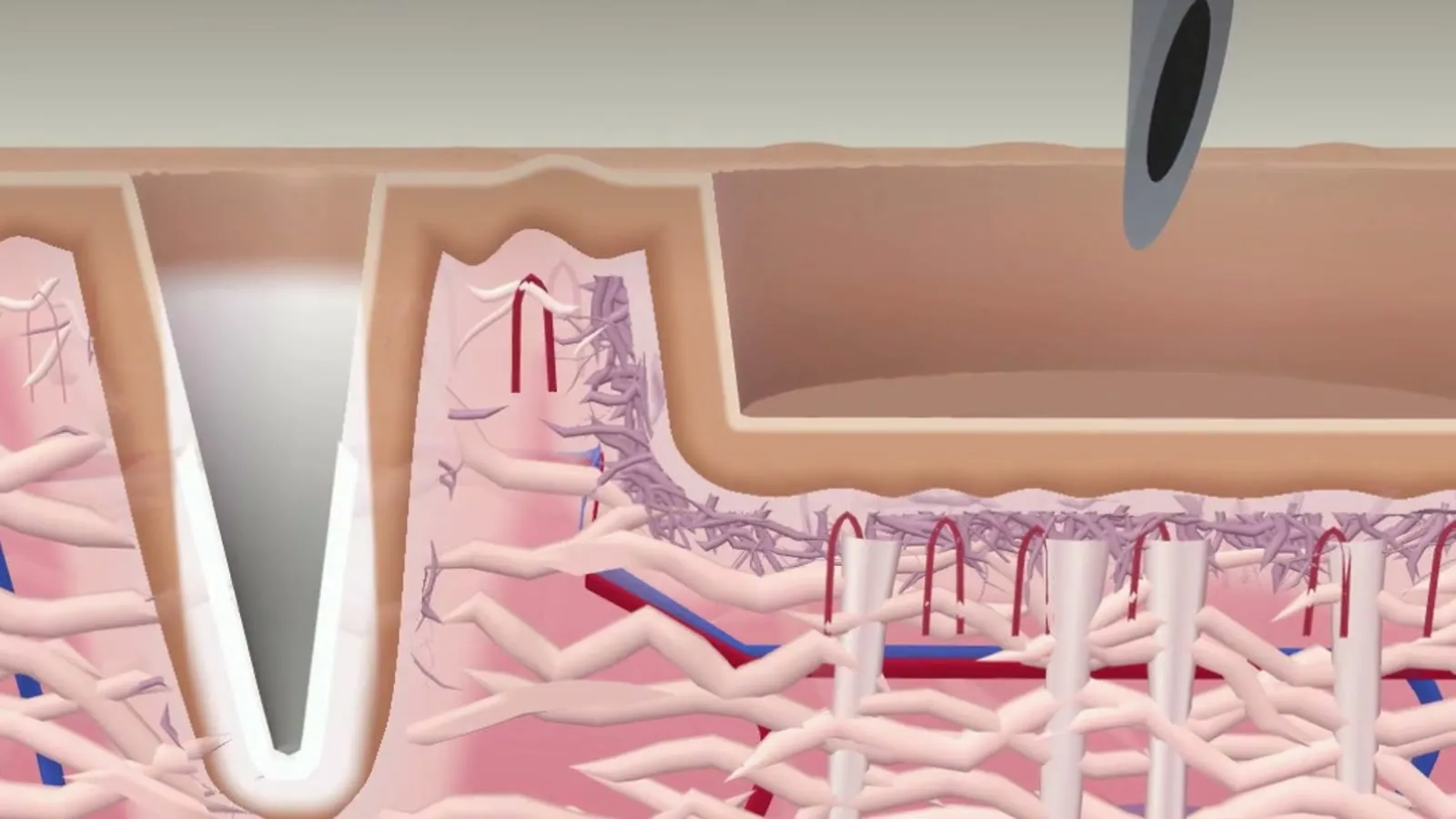
- Subcision. I use a large-size cannula to release the fibrous bands evenly, with local anesthetic given first. You can read the details in What is subcision.
- Full ablative Er:YAG. It smooths down the hard, steep edges of the scars so they slope down gradually.
- Fractional CO2. It goes deep in a pattern of points so that the skin tightens and builds new collagen.
- TCA CROSS. It is used on ice pick scars and deep boxcar scars. Read more in TCA CROSS for acne scars.
What do you give up for this?
This approach carries more risk. Temporary red marks or dark marks may follow, so I explain both the benefits and the risks first and decide together with the patient.
In a typical case these marks are not permanent, but they need continued care. I changed from trying to avoid any marks to fixing the scar at the right spot while looking after the marks at the same time. Dark marks after treatment are managed differently from scars. Read more in how post-acne dark marks differ from acne scars.
Is this approach right for everyone?
No. Milder cases may suit microneedle RF and pico laser better, while deep scars may need methods that fix the structure. It depends on the scar type, skin tone and the risks each person can accept. In this case, the deep scars that had been hard to treat started to get shallower, but results differ from person to person. You can see other approaches on the results page.
If you are not sure how your own scars should be treated, message us on LINE @clarityclinic and send photos, and I will help assess them. You can watch the original clip on TikTok and Instagram
Frequently asked questions
Q: Is microneedle RF alone enough for deep boxcar scars and ice pick scars? A: The skin overall may improve, but deep scars usually improve slowly, so I often consider methods that fix the structure of the scar as well.
Q: What does old school mean? A: Here it means using subcision, Er:YAG, fractional CO2 and TCA CROSS together to fit the scars.
Q: Does subcision hurt? A: I give local anesthetic first. You can read about the pain of each method in Does acne scar treatment hurt?
References
Outcomes vary by individual; this article is educational, not a substitute for in-person medical assessment.
- Jacob CI, Dover JS, Kaminer MS. Acne scarring: a classification system and review of treatment options. J Am Acad Dermatol. 2001. PubMed
- Lee JB, et al. Focal treatment of acne scars with trichloroacetic acid: chemical reconstruction of skin scars method. Dermatol Surg. 2002. PubMed
- Orentreich DS, Orentreich N. Subcutaneous incisionless (subcision) surgery for the correction of depressed scars and wrinkles. Dermatol Surg. 1995. PubMed
- Abdel Hay R, et al. Interventions for acne scars. Cochrane Database Syst Rev. 2016. PubMed
Read the full overview: Acne scar treatment: the complete guide