Pico Laser for Acne Scars: Why They Remain After Many Sessions
Had pico laser for acne scars many times and they are still there? Scars can have fibrous bands, lost tissue and steep edges. Dr. Big explains how to match treatment.
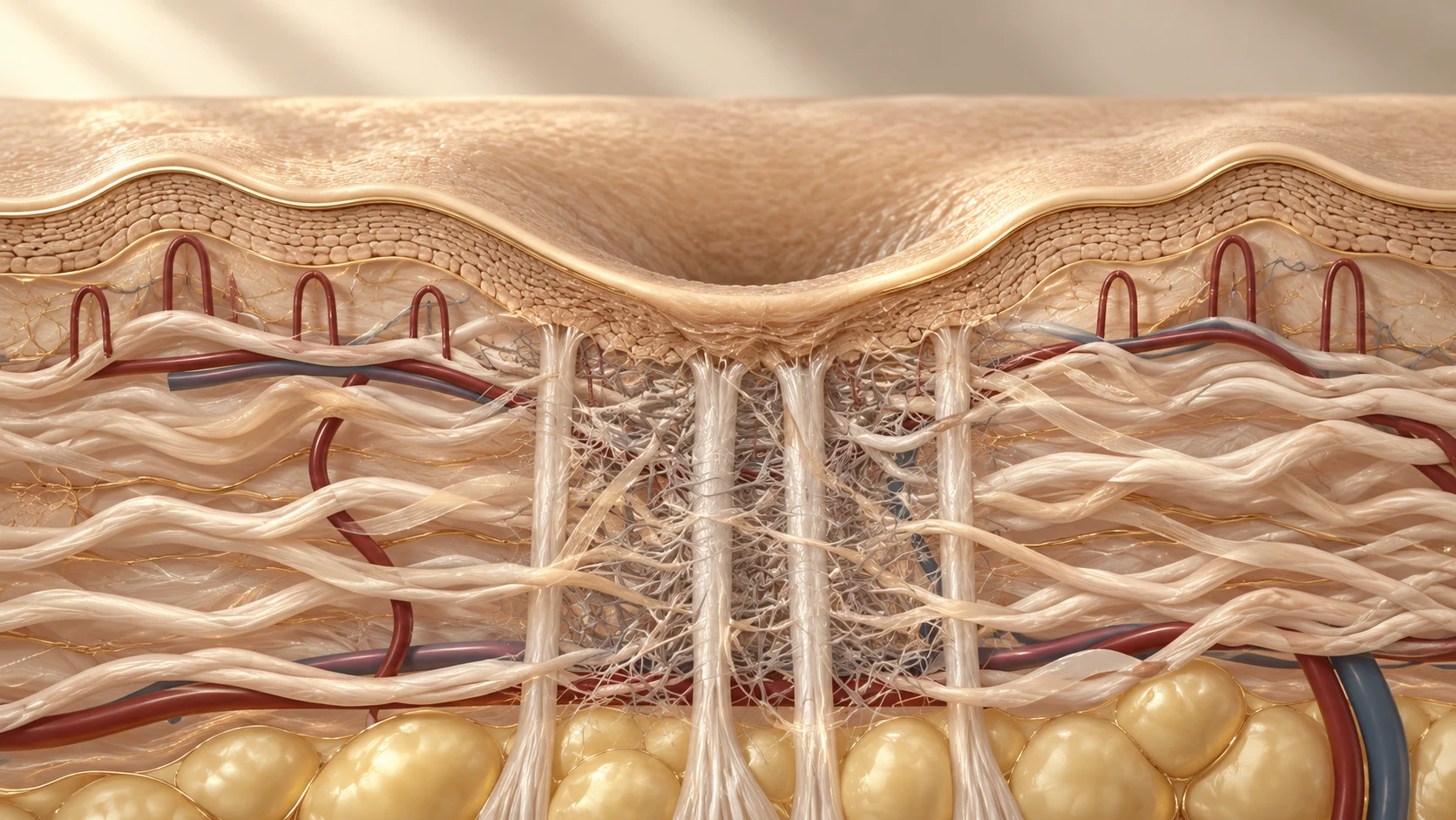
Quick answer: Pico laser can help acne scars by stimulating collagen and smoothing the skin. But acne scars are not only a problem of the surface. Some scars have fibrous bands pulling on them, some have lost the tissue underneath, and some have a deep, sharp edge. If the treatment does not match the cause, firing again and again may not give what you hope for.
I see this often. A patient has had many laser sessions, but the scars are as deep as ever. Many start to think their scars are stubborn, or that they chose the wrong laser. In fact scars are not stubborn. We just need to look first at where each scar is held back.
Watch this clip on TikTok or Instagram
Can pico laser really help acne scars?
Yes. Pico laser stimulates collagen and smooths the skin. A fractional handpiece concentrates the energy into many tiny points, which act on the epidermis and the dermis. A review notes that fractional picosecond laser has been used for acne scars and skin texture.
A study in Thai patients used a 1,064 nm wavelength through a microlens array handpiece once a month for 6 sessions. It found that depressed scars could improve, with some mild temporary dark marks after treatment. But this comes from the abstract of a single study, so it does not mean every scar will respond the same way.
So the problem is not that pico laser is bad. Its work is focused on the upper skin, while what shapes some scars sits deeper. If you want an overview of the different lasers, read lasers for acne scars.
Why are the scars still there after many pico laser sessions?
Because acne scars are not only about the surface. In the classic classification by Jacob and colleagues, scars are not sorted just by width and depth. They are looked at as three-dimensional structures and grouped by which treatment can reach them.
Put simply, each type of scar is held back in a different place. I split the common problems into 3 kinds.
- Fibrous bands pulling: the skin is anchored down from underneath.
- Tissue lost underneath: the skin above has nothing to support it.
- A deep, sharp edge: the walls of the scar stand steeply from the skin around them.
One scar can have more than one of these. If you are not sure which kind you have, read how to tell acne scar types apart.
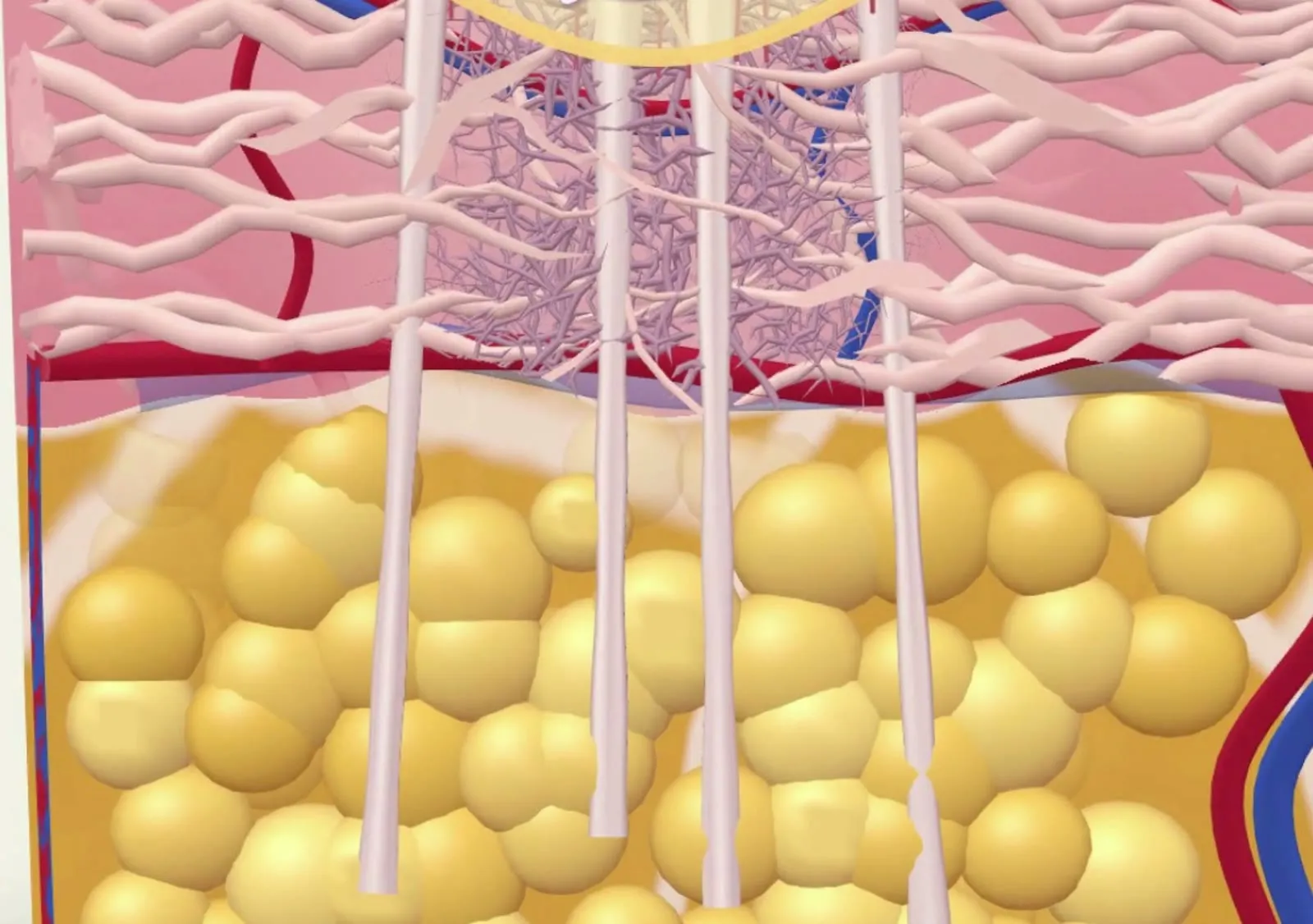
Which scars have fibrous bands, and why isn’t firing from above enough?
Rolling scars come from fibrous bands that anchor the dermis down to the layer below. The skin surface becomes wavy and casts shadows. The classification work says this anchoring sits beneath the dermis, so it cannot be fixed from the surface alone.
So if a scar is being pulled down, a step that releases the anchoring from underneath is needed, which is subcision to cut fibrous bands. I rarely do it on its own. You can read why in Is subcision alone enough?
If the tissue underneath has shrunk, how is it fixed?
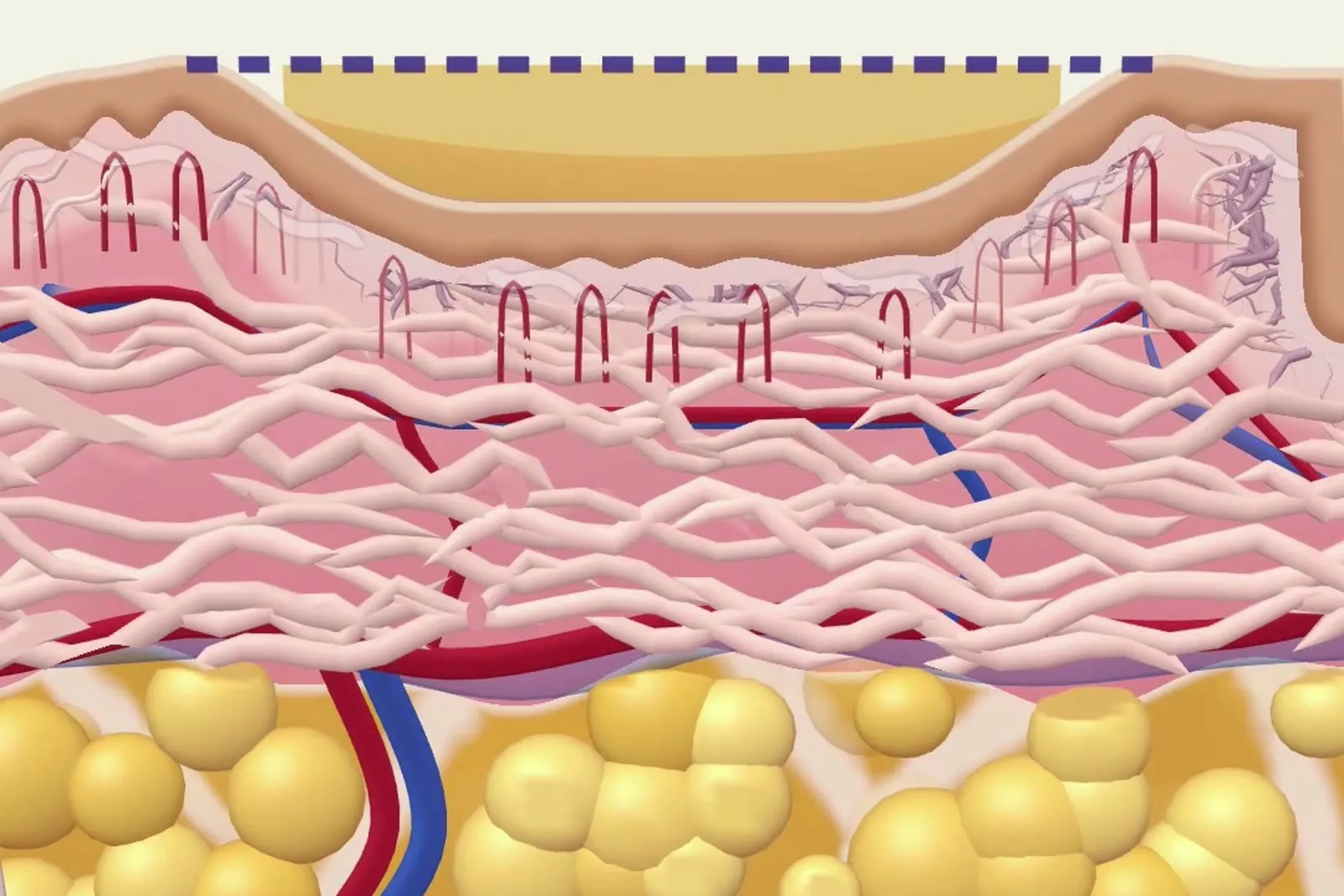
In some scars the tissue under the skin has been reduced, so the skin sinks because nothing supports it. This is called volume loss. The surface of such a scar can be refined, but the tissue underneath is still missing.
So I need to assess how much tissue has been lost and whether I also need to fill under the scar. For filling compared with cutting fibrous bands, read filler for acne scars versus subcision.
How are scars with a deep, sharp edge, and ice pick scars, different?
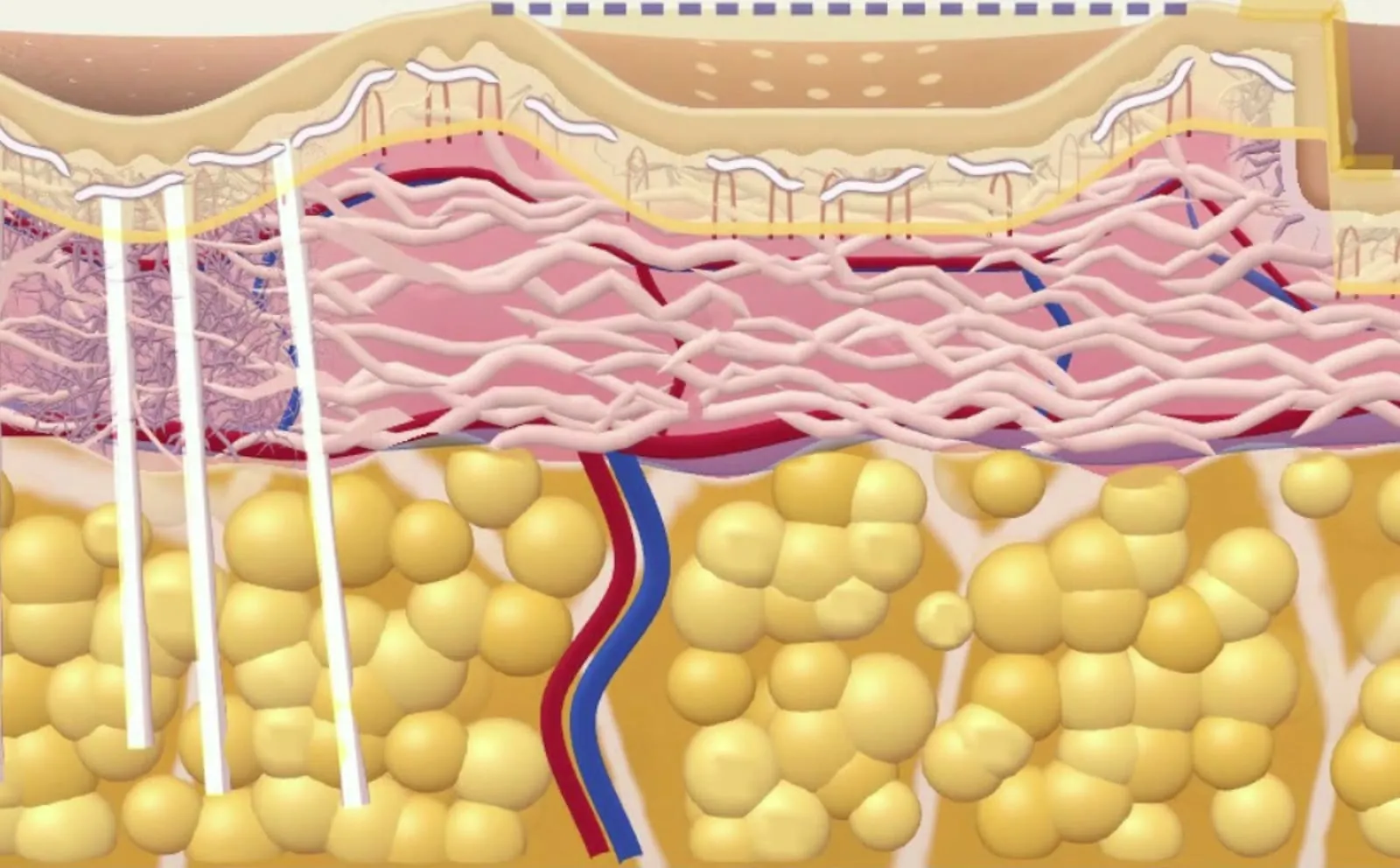
Boxcar scars have clearly defined edges. Shallow boxcar scars are within reach of skin resurfacing, but deep boxcar scars usually respond less if the treatment does not cover the thickness of the scar tissue.
Ice pick scars are different again. The opening is narrow but the scar goes deep into the deep dermis or the layer below the skin. That depth is beyond the reach of ordinary resurfacing, so I use TCA CROSS to reach the bottom of the scar. Read more in TCA CROSS for acne scars.
Should you keep doing pico laser, or change the plan?
If you have had many sessions and the scars are the same, I suggest you stop counting sessions and go back to look at what each scar is held back by. Firing more laser without fixing the cause may not give what you hope for.
Pico laser can still have a place in the plan, but it should sit where it matches the problem. Scars on the same face may need different methods, so a doctor should assess them first and then plan what to combine. You can see the approach on the results page.
If you have had many laser sessions and want to know where your scars are held back, message us on LINE @clarityclinic and send me photos.
Frequently asked questions
Q: Can pico laser treat acne scars? A: It helps by stimulating collagen and smoothing the skin. But if a scar also has fibrous bands, lost tissue or a deep edge, a treatment that matches that problem has to be added.
Q: I have had many pico laser sessions and the scars are not shallower. Are my scars stubborn? A: No, not stubborn. It usually means that what shapes the scar sits deeper than where that treatment works, so the cause should be assessed again.
Q: How many more times should I do pico laser? A: There is no number of sessions that fits everyone. If the scars have not changed, a doctor should look at what kind of scars they are before you decide to continue.
Q: How is pico laser different from cutting fibrous bands? A: Pico laser works mainly on the upper skin, while subcision goes in to release the fibrous bands anchored under the skin. They deal with different problems.
References
Outcomes vary by individual; this article is educational, not a substitute for in-person medical assessment.
- Jacob CI, Dover JS, Kaminer MS. Acne scarring: a classification system and review of treatment options. J Am Acad Dermatol. 2001. PubMed
- Zhou Y, Hamblin MR, Wen X. An update on fractional picosecond laser treatment: histology and clinical applications. Lasers Med Sci. 2023. PMC
- Manuskiatti W, et al. 1064-nm picosecond laser with fractionated microlens array for atrophic acne scar in Asians. Lasers Surg Med. 2021. PubMed
Read the full overview: Acne scar treatment: the complete guide